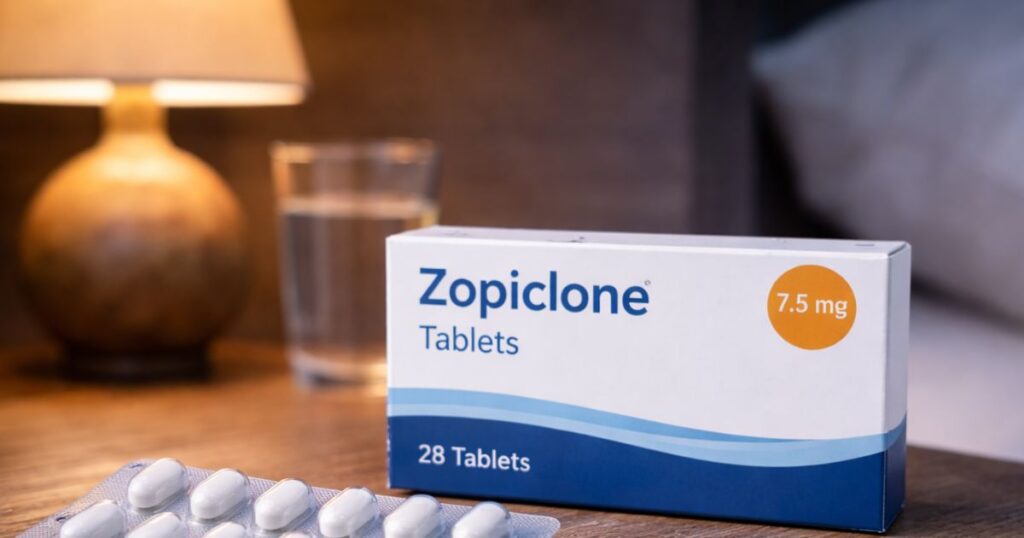
How Zopiclone Tablets Can Help You Sleep Better: An In-Depth Analysis
Sleep is essential for physical health, mental wellbeing, and daily performance. When insomnia disrupts your ability to fall asleep or stay asleep, it can quickly affect every part of life. For some patients in the UK, Zopiclone tablets are prescribed as a short-term treatment to help restore a healthier sleep pattern.
This in-depth guide explains how Zopiclone works, how it may help you sleep better, who it may be suitable for, and the key safety considerations you should understand before using it.
What Are Zopiclone Tablets?
Zopiclone is a prescription-only sleeping tablet commonly used to treat short-term insomnia. It belongs to a group of medicines often referred to as “Z-drugs,” which are designed to promote sleep by calming activity in the brain.
In the UK, Zopiclone tablets are usually prescribed for brief periods, particularly when sleep problems are severe, distressing, or significantly affecting daily functioning.
How Zopiclone Works to Improve Sleep
Zopiclone works by enhancing the effects of a neurotransmitter in the brain that helps reduce nervous system activity. This calming effect can make it easier to fall asleep and reduce night-time awakenings.
By slowing brain activity, Zopiclone tablets can help interrupt the cycle of sleeplessness that often develops when anxiety, stress, or disrupted routines prevent rest.
Key sleep-related effects
- Helps you fall asleep more quickly
- May reduce waking during the night
- Can increase total sleep duration
- May improve perceived sleep quality in the short term
How Zopiclone Tablets May Help Different Types of Insomnia
Insomnia does not affect everyone in the same way. Zopiclone may be prescribed depending on how your sleep is disrupted and how severe your symptoms are.
Difficulty falling asleep
If you lie awake for long periods before falling asleep, Zopiclone tablets may help by reducing mental and physical restlessness at bedtime.
Frequent night-time waking
For people who wake repeatedly during the night, Zopiclone may help maintain sleep for longer periods, reducing fragmentation.
Short-term or situational insomnia
Zopiclone is often most effective when insomnia is linked to short-term stress, travel, illness, or life changes, rather than long-standing sleep disorders.
Potential Benefits of Using Zopiclone
When prescribed appropriately and taken as directed, Zopiclone tablets can offer meaningful short-term benefits.
- Faster sleep onset
- Improved sleep continuity
- Better rest during acute insomnia episodes
- Possible improvement in daytime alertness if sleep improves
For some patients, these benefits help restore normal routines and reduce the immediate impact of severe sleep disruption.
Important Limitations and Risks of Zopiclone Tablets
While Zopiclone can help with sleep, it is not without risks. Understanding these limitations is essential before starting treatment.
Risk of dependence and tolerance
Using Zopiclone tablets for longer than prescribed can lead to dependence. Over time, the body may also develop tolerance, meaning the same dose feels less effective.
Next-day drowsiness
Some people experience lingering sedation the following day, especially if they do not get a full night’s sleep. This can affect concentration, reaction time, and safety.
Side effects
Possible side effects include:
- Bitter or metallic taste
- Dizziness or light-headedness
- Dry mouth
- Headaches
- Feeling “hungover” the next morning
Interactions with alcohol and other medicines
Zopiclone should not be combined with alcohol or other sedatives unless a clinician confirms it is safe. Combining depressant effects can increase the risk of harm.
Who May Benefit Most from Zopiclone Tablets?
Zopiclone may be considered when:
- Insomnia is severe and affecting daily life
- The sleep problem is short-term rather than chronic
- Non-medication sleep strategies have not worked
- A clinician has reviewed your medical history
It may not be suitable for everyone, particularly those with certain medical conditions or a history of substance misuse. A proper clinical assessment is always required.
How to Use Zopiclone More Safely
If Zopiclone tablets are prescribed, following medical advice closely helps reduce risks.
- Take Zopiclone exactly as prescribed
- Use it for the shortest recommended period
- Avoid alcohol while taking the medication
- Ensure you have enough time for sleep after taking a dose
- Do not increase the dose without medical advice
Supporting Sleep Alongside Zopiclone
Medication alone rarely solves insomnia long term. Combining Zopiclone with healthy sleep habits often leads to better outcomes.
Sleep-supporting habits
- Maintain consistent sleep and wake times
- Limit caffeine and stimulants later in the day
- Reduce screen use before bed
- Create a calm, dark sleeping environment
- Use relaxation techniques to wind down
FAQs About Zopiclone Tablets
Do Zopiclone tablets work immediately?
They usually start working within a short time after taking them, which is why they are taken just before bedtime.
Can I take Zopiclone every night?
Only if prescribed to do so. Regular or long-term use increases the risk of tolerance and dependence.
Is Zopiclone suitable for long-term insomnia?
It is generally intended for short-term use. Long-term insomnia often requires broader treatment strategies.
What should I do if Zopiclone stops helping me sleep?
Do not increase the dose on your own. Speak to a clinician to review your treatment and explore other options.
Conclusion: Can Zopiclone Tablets Help You Sleep Better?
Zopiclone tablets can be an effective short-term solution for improving sleep during acute periods of insomnia. By helping you fall asleep faster and stay asleep longer, they may reduce the immediate impact of severe sleep disruption.
However, they are not a long-term fix. The safest and most effective approach is to use Zopiclone under proper clinical supervision, for a limited time, and alongside healthy sleep habits. Understanding both the benefits and the risks allows you to make informed decisions about managing insomnia and protecting your long-term wellbeing.